››

Education
Book Club: Plato’s Republic (Part I: What is Justice?)
Sobre el evento
On Saturday, 25th of July, we’re going to begin a two-part discussion of Plato’s Republic, one of the most influential works in the history of philosophy. For this first session, we’ll focus on Books I–V.
Written around 375 BCE, the Republic is Plato’s most famous dialogue and a foundational text of Western political thought. The dialogue begins with a seemingly simple question: What is justice? As Socrates examines and challenges various answers, the discussion gradually expands into an ambitious inquiry into politics, ethics, education, human nature, and the ideal society.
In the first half of the work, Plato explores competing views of justice, critiques the pursuit of power and self-interest, and develops the blueprint of his famous 'ideal city'. Along the way, he raises provocative questions about education, censorship, social class, gender equality, political leadership, and the relationship between the individual and the state.
More than two thousand years later, many of these questions remain surprisingly relevant. Is justice valuable in itself, or only because of its consequences? Should political leaders be chosen for their wisdom rather than their popularity? What role should education play in shaping citizens? Can a society ever be truly just?
Let’s discuss!
— — —
Plato (c. 428–348 BCE) was an ancient Greek philosopher and a student of Socrates. He founded the Academy in Athens, one of the earliest institutions of higher learning in the Western world. Through his dialogues, Plato explored enduring questions about knowledge, morality, politics, beauty, and the good life, profoundly influencing philosophy, science, and political thought for more than two millennia.
⸻
Anyone is welcome to join! No background in philosophy is needed. Before the meeting, please read Books I–V of the Republic, think about them, and note any passages you find especially interesting, challenging, or worth discussing. We’ll share our thoughts and interpretations duri
Ubicación
TBD, Prague
Cómo llegarEventos similares
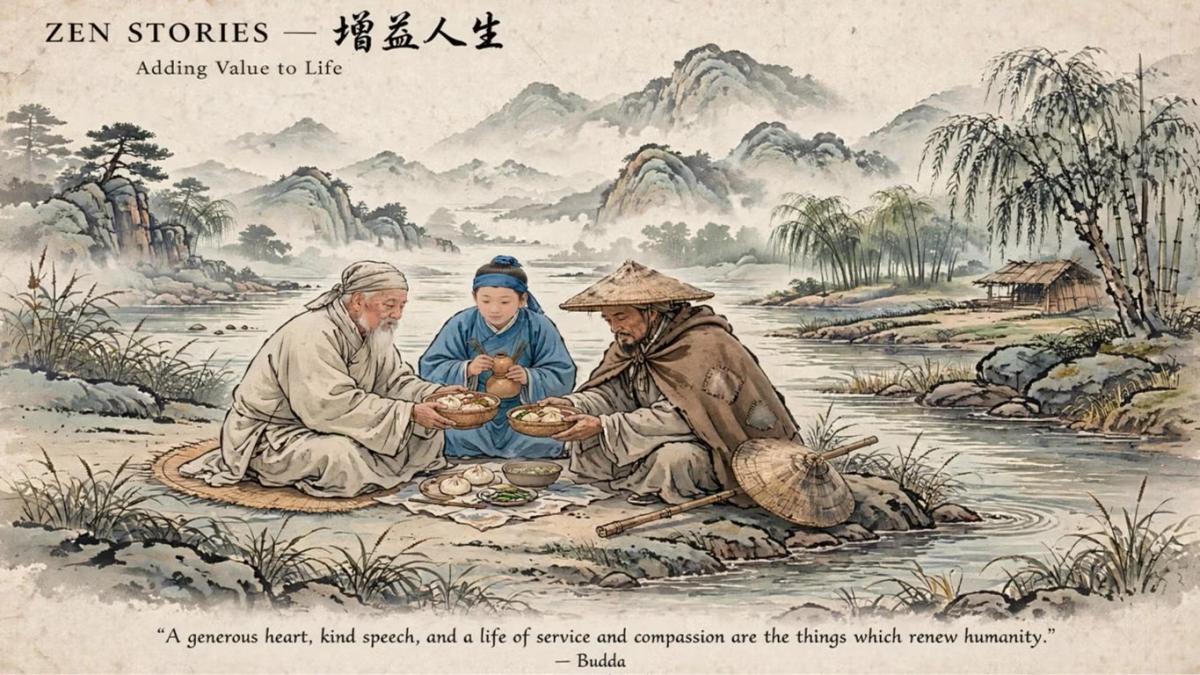
ZEN STORIES – Adding Value to Life
12 JUL

3-2-1 start! – dobrodružný animovaný film na Štefánikově hvězdárně
12 JUL
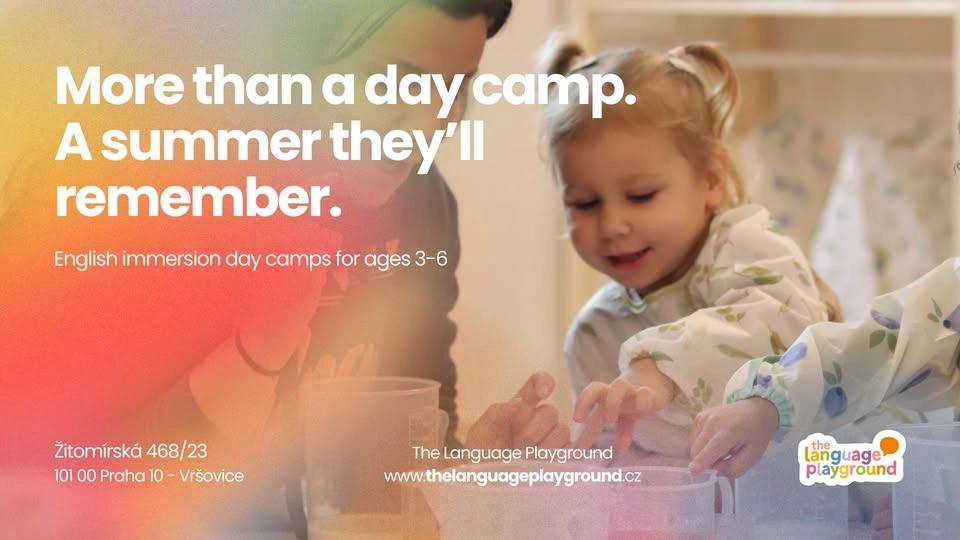
A Summer They’ll Remember - Day Camps for ages 3-6 at TLP in Prague
13 JUL

Tony Holý Lecture – Phil S. Baran: Simplifying synthesis with radical cross-coupling
13 JUL

Czech Co-Learning Session 🇨🇿
13 JUL
Ubicación
TBD, Prague
Cómo llegarEventos similares
ZEN STORIES – Adding Value to Life
12 JUL
3-2-1 start! – dobrodružný animovaný film na Štefánikově hvězdárně
12 JUL
A Summer They’ll Remember - Day Camps for ages 3-6 at TLP in Prague
13 JUL
Tony Holý Lecture – Phil S. Baran: Simplifying synthesis with radical cross-coupling
13 JUL
Czech Co-Learning Session 🇨🇿
13 JUL
Esta semana en Prag

Předpremiéra: Zápas století + Q&A Viktor Palák, Martin Pleštil | Mentální hygiena Aleše Stuchlého
22 JUL

The Witches + opening night party | Heatwave Horror
24 JUL
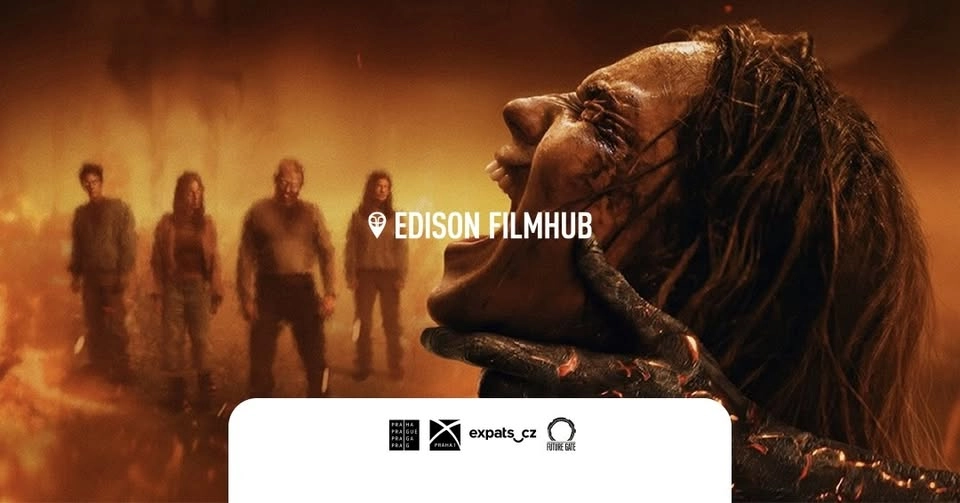
Evil Dead Burn + Q&A with Antonín Tesař | Heatwave Horror
25 JUL
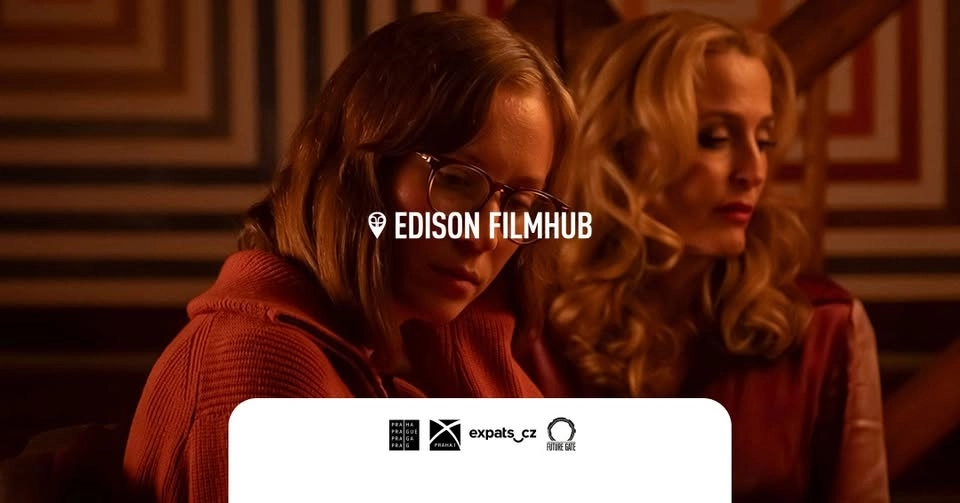
Předpremiéra: Teenage Sex and Death at Camp Miasma + úvod La Cuntessa | Heatwave Horror
26 JUL
Mental Hygiene of Aleš Stuchlý: The Match + Q&A with Martin Pleštil
22 JUL