
Recipe for Cognitive Currencies
Why do we act irrationally or with altruism? Behavioral economics, emerging in the 1970s, upended the belief that we are rational decision-makers, revealing how our choices are influenced by cognitive biases. Additionally, the Cognitive Revolution of the 1950s demonstrated that mental processes like memory, perception, and problem-solving can be directly modeled. In today’s world, where an 'attention economy' competes for our focus, and an 'intention economy' tries to foresee our desires, we face the possibility of pricing our cognitive traits such as attention, judgment, and identity.
Join us for an insightful journey into the implications for human capital:
- Opening: Special advance screening of Adam Smith: The Currency of Thought, exploring the foundational ideas of behavioral economics from the 18th-century.
- Group Discussion: Engage in discussions about the cognitive economies emerging from new technologies.
- Silent Dessert: Enjoy dessert in silence as we reflect on our discussions.
- Reflection Session: Culminate with a guided reflection session using innovative tools from the Experiments in Reflection team at Stanford d.school.
By registering, you confirm your commitment to attend the entire event. This event is co-hosted with Pace Capital.
Eventi simili





Eventi simili
Questa settimana a Sverige

Monday Nights at the Vanguard — Vanguard Jazz Orchestra
27 LUG
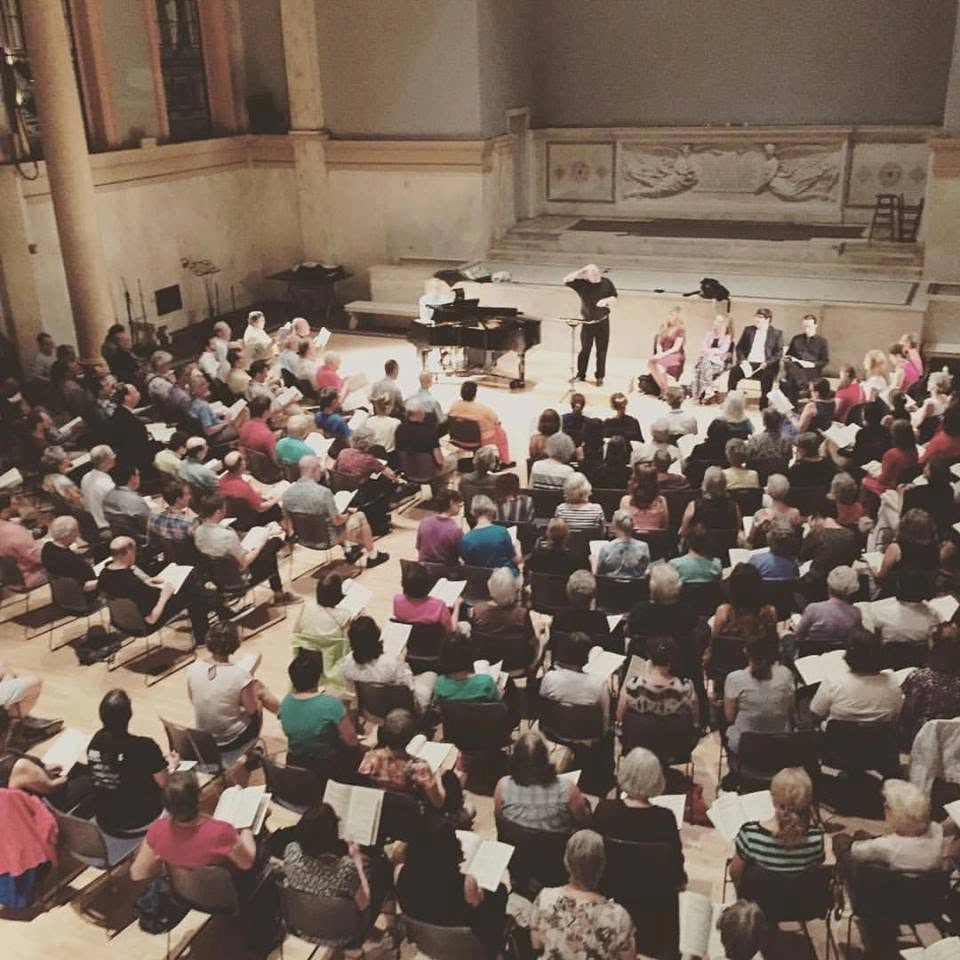
Summer Sing: Rutter "Requiem" and Lauridsen "Sure on This Shining Night" with Hannah Nacheman
27 LUG

Christian McBride at Blue Note Jazz Club on Sun, Jul 26, 2026
26 LUG

The Big Ideas Dinner with Greycroft & Stifel Bank
30 LUG

Summer Chills #1 - 2026
26 LUG