››

Social
Katyn
O události
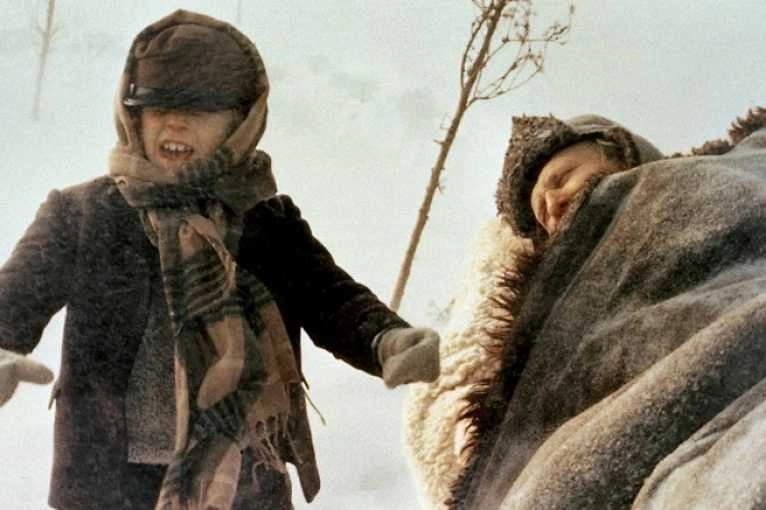
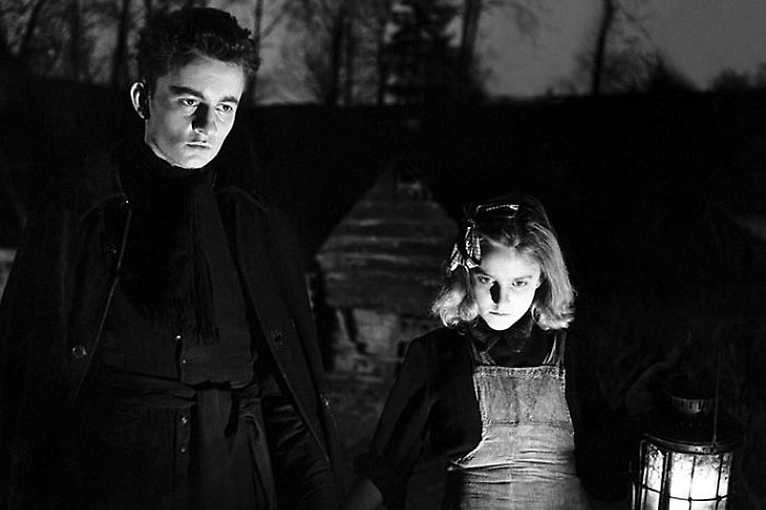
The story of a crime that was supposed to be forgotten. The famous Polish director Andrzej Wajda has treated one of the darkest events in Polish history: the massacre of 22,500 Polish soldiers and civilians by the Soviet NKVD secret police in 1940. A number of controversies and uncertainties have arisen around the Katyn massacre. The mass graves of the victims were uncovered by the Germans in 1941. Moscow in turn blamed the Germans for the massacre, while the West remained silent about it. Russia only admitted fifty years later that Stalin had indeed ordered the murders of the Polish military and social elite. Yet Russia still refuses to declassify documents relating to the event and to recognise the massacre as genocide. Wajda's film drama, based on the book Katyń: Post Mortem by Andrzej Mularczyk, focuses on the stories of people who were personally affected by the massacre with varying degrees of intensity. Wajda's father was murdered in Katyn, as was the uncle of composer Krzysztof Penderecki. The fate of women who lost their husbands, brothers, sons is the film's axis. Some of them also fall into Soviet captivity, others search for evidence of their survival, others wait apathetically, resigned to the worst possible scenario.
Místo
Bartolomějská 11
Trasa



Místo
Bartolomějská 11
Trasa