››

Theatre
Můra: Trochu Světla Ještě Zbývá
O události
Where does darkness come from? From the shadows? Does it creep silently out of the woods and head toward human dwellings? Where does evil come from? From the shadows as well? Does it, too, like darkness, creep from there toward human dwellings?
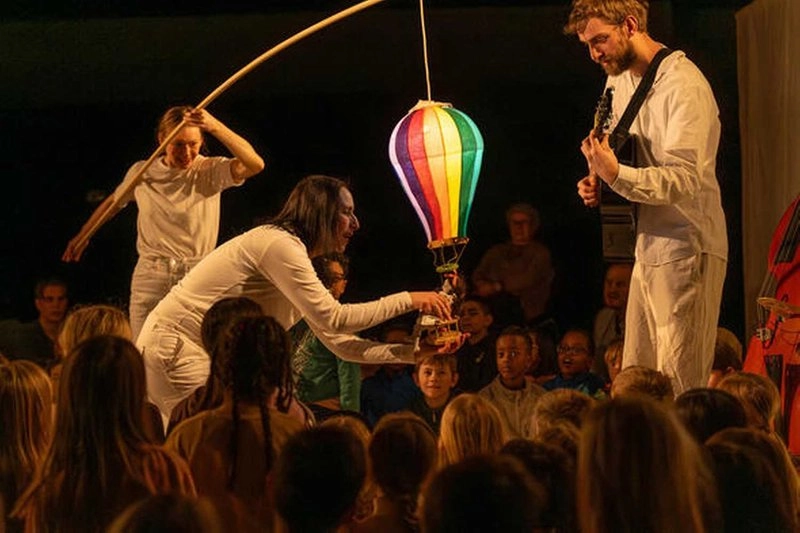
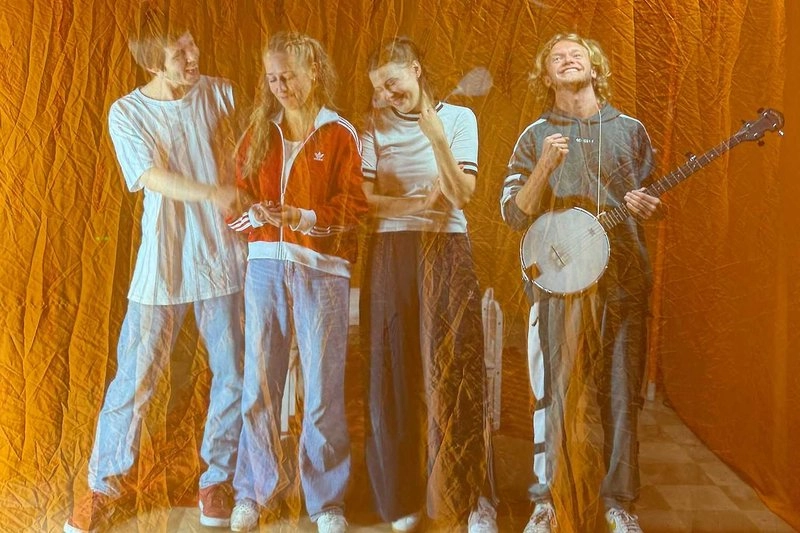
The production is based on the true stories of three young people who grew up in Czechoslovakia in the 1930s. We created it as a message for all of us who have worked, lived, and breathed for 25 years in a theater collective called NIE.
At the time of the premiere of our first production, in August 2001, some of our current ensemble members weren’t even born yet. The production was called The Long Way Home and was a dramatization of a short newspaper article. We wanted to bring to the stage the story of a person living in a pivotal era, when it seemed the world was heading in the right direction.
Today’s world is very different, but what hasn’t changed is our storytelling style—in the three stories we want to share with you, we emphasize humor and alienation, which help us tackle difficult topics, as well as character-driven acting and live music.
The word "moth" has ancient roots, dating back to a time when the Slavs believed the world was full of demons and spirits. One of these supernatural beings was Mory, later known as Můra. It was a nocturnal creature, the soul of a deceased person who had not found peace; at night, it would sit on the chests of sleeping people and press down on them. In doing so, Můra was meant to warn the person of danger. The name itself is derived precisely from this action—pressing or squeezing. The Indo-European root mer-, meaning “to squeeze” or “to rub,” can be found not only in Slavic languages but also, for example, in the English word mare (later nightmare) or in the Norwegian term for nightmare—mareritt.
Those who warn of danger are usually not very popular. Even in pre-Christian times, men believed that female spirits were responsible for unrest. That is why the nightmare was often depicted as a woman. In more recent interpretations, based on the Norwegian Ynglinga Saga, it is clear that women were the first to warn of danger and helped guide the community toward a better future.
For audiences aged 14 and older.
Místo
Kubelíkova 1548/27, 130 00 Praha, Česko
Trasa


Místo
Kubelíkova 1548/27, 130 00 Praha, Česko
Trasa




![[SKRONK']: Filorodu // Tsev + Strzał w Kolano // Doskocz & Jenssen](/_next/image?url=https%3A%2F%2Fimages.gosomo.app%2Fevents%2Fab16895a-8c19-4bea-867b-f607922efac2%2F46b68e9d-7333-4c51-accf-00a588f05ebf.webp&w=1200&q=75)