Early Pomeranian Art from the 14th to the 18th Century
Better experience in the app
- Get a reminder before the event starts
- Save & share with friends
- Discover similar events based on your taste
Get reminded
Choose when to get reminded by email.
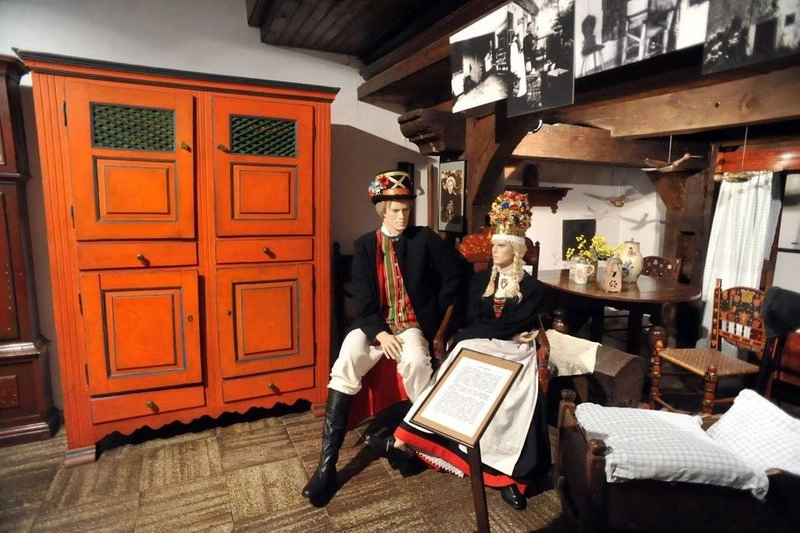
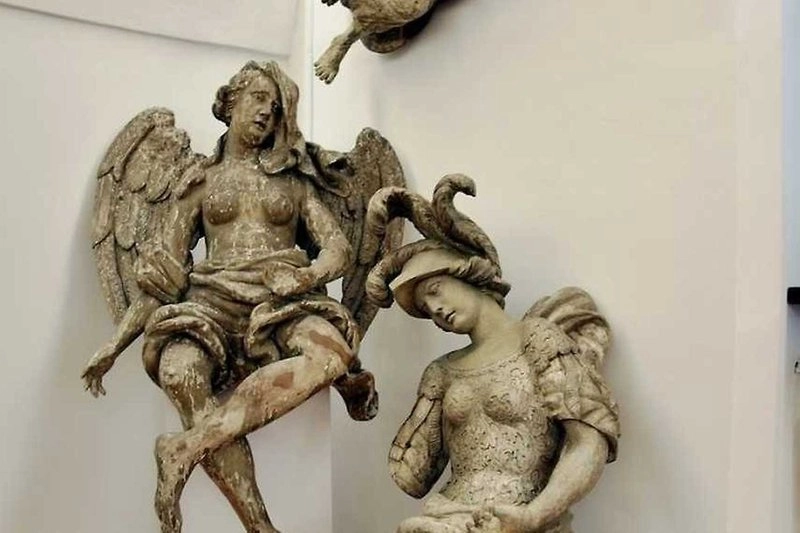
On the first floor of the Slupsk Castle, in four rooms, early Pomeranian art from the 14th to the 18th century is presented. The vast majority of the exhibits come from the area of present-day Central Pomerania, i.e. from the vicinity of Słupsk, Darłowo, Koszalin and Kołobrzeg. The exhibition is complemented by individual objects created throughout Europe (and beyond) and 19th-century relics.
On display are monuments of medieval art, largely wood carvings. With more than sixty objects, the collection of Pomeranian Gothic sculpture is presented almost in its entirety. It is worth mentioning that this is one of the largest collections of its kind in Poland. Among the exhibits, fragments of a multi-part altarpiece (or polyptych) from the post-Cistercian church in Bukowo Morskie—the only painting work from the Middle Ages in the museum's collection—stand out. The so-called Renaissance Room presents, among other things, furniture, tapestries, plates, paintings and pieces of weaponry created mainly in the 16th and 17th centuries. These artefacts allow visitors to imagine what type of objects might have been used by the inhabitants of the Słupsk castle and decorated its interiors during the heyday of this residence of the Griffins. On the walls are two sizable 17th-century Flemish tapestries depicting mythological scenes. The next room is devoted to modern art from the Pomeranian region. The exhibits presented in its first part come mainly from Pomeranian churches. In the 1630s, Pomeranian dukes adopted a Protestant religion, which influenced the decoration and furnishings of their churches. The Słupsk museum has a rich collection of epitaphs and posthumous mementos. These were works of art commemorating the deceased nobles and benefactors of the community (e.g. burghers and craftsmen), buried in the churches' vaults.
In this part of the hall, a part of the numismatic collection can also be seen in two polychrome iron chests. In the smaller chest, the so-called treasury, Pomeranian coins are presented. In the larger chest, once regarded as the town treasury of Słupsk, fragments of two treasures are on display: from Garsk and from Włynków. Of particular note is the denarius of Bolesław Chrobry minted after 992. It is probably the oldest Polish coin (only two copies have been preserved in Poland). On its obverse there is a back inscription with the name of the ruler and an arrow against the background of a bush composed of 6 branches, described as the "Tree of Life". On the reverse is an isosceles cross with arms crossed and ending in circles. Also on display are examples of religious painting and a large portrait of Pastor Michael Mostnik. This part of the exhibition is complemented by gold and tin wares, presented in showcases. There are liturgical items from Pomeranian churches: candlesticks, chalices and a monstrance. A tin baptismal bowl from the parish in Zagórzyca deserves special attention. Also attracting attention is a silver cup from Augsburg—one of the elements of the so-called von Kleist treasure. In one of the bays Danzig furniture and models of sailing ships are presented, reminding of Słupsk's contacts with the sea and port cities.
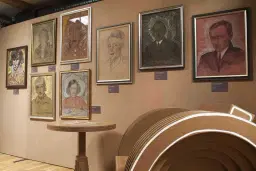
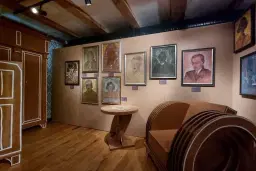
The last part of the exhibition is devoted to Pomeranian palaces. Unfortunately, wartime losses and subsequent neglect make it impossible to fully admire the legacy of the noble families of the area. Most of the artefacts were lost or destroyed at a time when the palaces were used as the headquarters of State Farms and schools. Among the preserved objects, the furniture and porcelain wares are particularly beautiful. The walls are decorated with portraits of members of the Specht and Riemer families, which hung in a manor house in Objazd before the war. Today, they are among the few landowner portraits kept in the Museum's collection.
NOTE: We cannot guarantee the accuracy of the information we provide about this event. Visit the event's website to verify details such as date, opening hours, prices and location.
Get reminded
Choose when to get reminded by email.