Karol Kállay: Svedectvo epochy
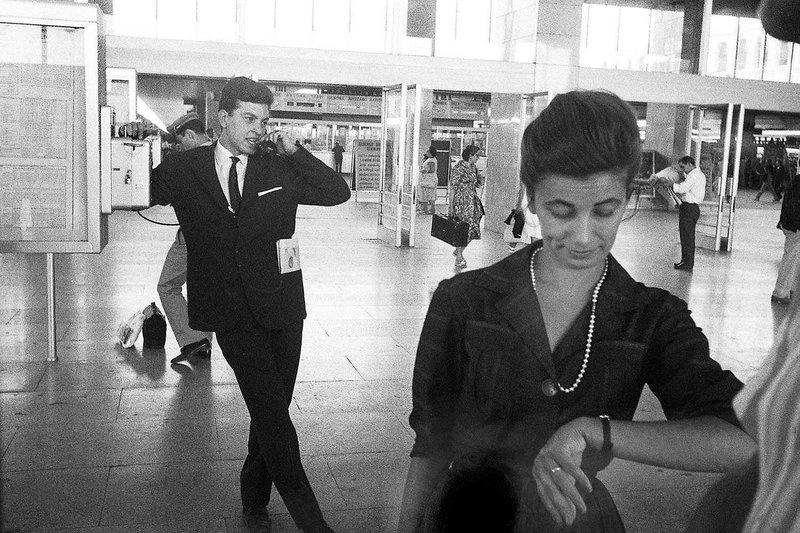
From March 8 to May 31, 2026, visitors will have a unique opportunity to admire an exhibition paying tribute to one of the most important figures in Slovak photography on the occasion of the 100th anniversary of the birth of Karol Kállay (1926–2012) .
It is a carefully selected collection of his photographs in the exhibition Testimony of an Era. The exhibition captures the cultural and social changes of the 20th century and, through its exceptional visual language, opens up space for reflection on how images shape our perception of the past and our current identity.
This world-renowned photographer has been taking pictures since he was ten years old. At the age of sixteen, he won a gold medal at a national photography exhibition, and his first works were published in the Swiss magazine Camera. After graduating from university, he worked as a professional photographer for the weekly magazines Svět v obrazech and Domov a svet. After completing his university studies, he worked as a professional photographer for the weekly magazines Svět v obrazech and Domov a svět. He photographed fashion in Bratislava and Prague, and later spent long periods in Berlin and Paris. He produced reports for prestigious foreign magazines such as GEO, Stern, Merian and Paris Match. He was a member of the German Bielderberg Society and brought "picture reports" from Africa, Indonesia, Thailand, Australia, the USA, and Russia. Many people remember his images of old Bratislava, its streets, summer days on the banks of the Danube, or the iconic image of nuns with their backs turned, looking at the city. The capital city captured by Kállay's unique perspective is summarized in the photo book Bratislava moja. He demonstrated his love for Prague in his publication Franz Kafka and Prague. Kállay tried to capture what no one else had, to be in places where others had not gone, and when he was looking for a subject for a photograph and pressing the shutter, he remembered the advice of photographer Karol Hájek: * "Try to see things differently than everyone else."* Last but not least, he remembers an old woman on the Trans-Siberian Railway who asked him where he was from, what nationality he was, and whether he believed in God. He answered her. It was as if she didn't hear him. She ended their conversation with the words: "But it doesn't matter who you are, the important thing is that there is no war." He remembered this conversation forever. It was perhaps more important to him than the photo in which he remembered her face. His photographs are exhibited in prestigious galleries around the world.
OBS! Vi reserverar oss för eventuella felskrivningar i informationen som vi ger om det här evenemanget. Besök evenemangets hemsida för att säkerställa exempelvis datum, öppettider, priser och plats.