Swołowo. Historie (nie)oczywiste
Better experience in the app
- Get a reminder before the event starts
- Save & share with friends
- Discover similar events based on your taste
Get reminded
Choose when to get reminded by email.
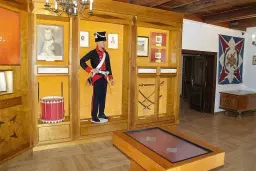
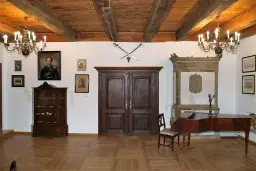
The exhibition Swołowo. Stories (not) obvious is the history of Swołowo presented in a non-obvious way, because by means of stories and memories. It is presented in a historic barn, renovated according to period carpentry principles, preserving as much of the historic substance as possible.
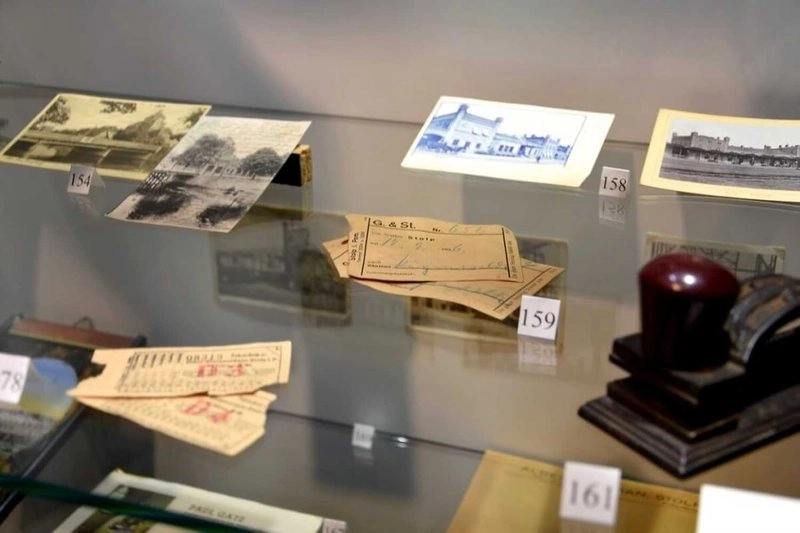
The stories told by former and current residents range from the interwar period to the beginning of the 21st century. The themes touched upon in the exhibition include the history of the inhabitants of homestead no. 26 in Swołowo in the context of the Second World War—this story was heard by the authors of the exhibition from Mrs Alena Mrazowa, daughter of Charlotte Klein, who in August 1939, at the age of 14, was sent by the Labour Office in Słupsk to the village of Schwolow (Swołowo) together with her friend Maria Střílkova. The history of Swołowo in 1939–1945 is also discussed—the war and its impact on the village, forced labourers on peasant farms and the townspeople's attitude towards Nazism.
The second part of Swołów's history was written by the inhabitants who arrived here after 1945. The exhibition touches upon themes of resettlement, travel stories, memories of settling Swołowo by Polish inhabitants (including the history of the Borderlands Poles), and an extremely interesting theme of the first post-war years in the aspect of village management, including forced collectivisation, destruction of private initiative, propaganda of the communist authorities of the time; political changes in the 1990s and their influence on the life of Swołowo inhabitants.
The exhibition also touches on the subject of water and wind mills in the Słupsk district. Among all the mills (over 200!) shown in photographs and maps, there are two Swołowo windmills that do not exist today and the history of their successive owners. An important element of Swołowo's history was the introduction of a branded product of rural tourism in Poland—the so-called 'Checkered Land' and the recognition of the village as its 'Capital'. The next point in the history of Swołowo was the creation of the Museum of Pomeranian Folk Culture, in the hope of preserving the historic character of the village.
NOTE: We cannot guarantee the accuracy of the information we provide about this event. Visit the event's website to verify details such as date, opening hours, prices and location.
Get reminded
Choose when to get reminded by email.