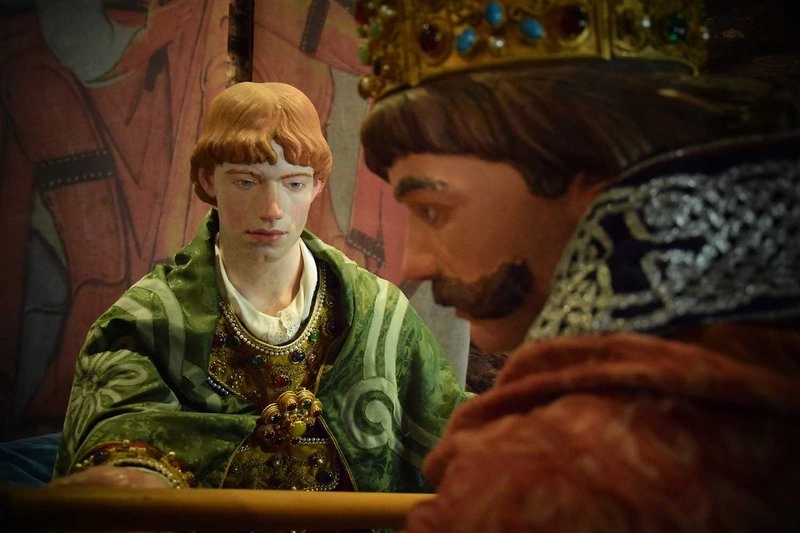
Obelisk of Ramesses II
Bessere Erfahrung in der App
- Erinnerung erhalten, bevor das Event beginnt
- Speichern & mit Freunden teilen
- Ähnliche Events nach deinem Geschmack entdecken
Erinnerung erhalten
Wähle, wann du per E-Mail erinnert werden möchtest.
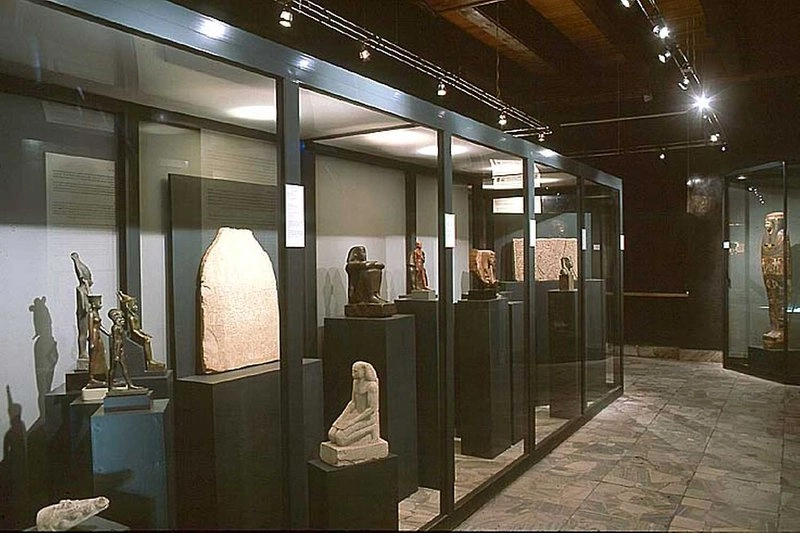
The obelisk of Ramses II found its way to the Archaeological Museum in Poznan as a long-term deposit thanks to the personal initiative of Professor Dietrich Wildung, director of the Berlin Egyptian Museum and Papyrus Collection. The three-metre-high granite monolith, bearing the inscriptions of three rulers of the 19th dynasty, is a unique object. It is the only Pharaonic obelisk in Poland and one of very few in Europe. The obelisk is made of grey granite (granodiorite) quarried near Aswan. The side of the base of the obelisk measures approximately 53 cm, which corresponds to 1 Egyptian cubit. Its height, probably designed as just over 6 Egyptian cubits, is reduced by damage to the pyramidia (upper parts of obelisks) to 300 cm. The obelisk weighs nearly two tonnes.
The monument comes from the city of Hut-heri-ib (Gr. Athribis, now Tell Atrib, a district of the city of Benha) in the Nile Delta. It was the capital of the 10th nom of Lower Egypt. It once stood in front of the temple of the local deity Chenti-cheti, together with a second obelisk, fragments of which are preserved in the Cairo museum. Taken from Athribis, it was used as a threshold in an Arab house in Cairo and, after its discovery there, was purchased in 1895 by C. Reinhardt. Brought to Europe, it had been in the Berlin museum since 1896.
The four sides of the obelisk bear carved inscriptions with the names and titles of three rulers of the 19th dynasty: Ramses II (1279-1213 BC), Merenptah (1213-1203 BC) and Seti II (1200-1194 BC). The layout of the text is analogous on all walls, while the inscriptions differ in detail, giving different variants of the names and epithets of the pharaohs. The text of Ramses II (central column) is carved on a plane clearly lowered in relation to the wall surface, suggesting the existence of an earlier inscription, removed before Ramses decorated the obelisk. It is therefore likely that this ruler usurped the obelisk set in Athribis by one of the earlier pharaohs. The son and successor of Rameses II, Merenptah added his names to the bottom of the obelisk on either side of his father's text. The upper part of both side columns of the text, however, contains the titulature of Seti II. The signs depicting the god Setah, which appear in the ruler's name inscription, were destroyed in later times. This was linked to the growing resentment in the Late Period against this god, considered an enemy of Osiris and the patron of foreign peoples invading Egypt. The bases of both Athribis obelisks, now in the Egyptian Museum in Cairo, were made of quartzite and decorated with depictions of Ramses II making offerings to local deities and two solar gods: Horakhti and Atum.
HINWEIS: Wir können die Richtigkeit der Informationen zu dieser Veranstaltung nicht garantieren. Besuchen Sie die Webseite der Veranstaltung, um Details wie Datum, Öffnungszeiten, Preise und Ort zu überprüfen.
Erinnerung erhalten
Wähle, wann du per E-Mail erinnert werden möchtest.
Ähnliche Veranstaltungen
The Permanent Exhibition of The Adam Mickiewicz Museum
1 JAN
The Permanent Exhibition of Muzeum Martyrologii Wielkopolan - Fort VII
1 JAN
The Permanent Exhibition of The Muzeum Uzbrojenia
1 JAN
The Permanent Exhibition of The Gołuchów Castle Museum
1 JAN
The Permanent Exhibition of The Etnography Museum
1 JAN
Ähnliche Veranstaltungen
The Permanent Exhibition of The Adam Mickiewicz Museum
1 JAN
The Permanent Exhibition of Muzeum Martyrologii Wielkopolan - Fort VII
1 JAN
The Permanent Exhibition of The Muzeum Uzbrojenia
1 JAN
The Permanent Exhibition of The Gołuchów Castle Museum
1 JAN
The Permanent Exhibition of The Etnography Museum
1 JAN